Why Choosing a Boutique 12-Bed Assisted Living Facility Makes All the Difference for Alzheimer’s Care
Personalized memory care, unmatched caregiver ratios, and a level of attention big facilities simply can’t offer

When families begin searching for Alzheimer’s care in Fenton, Michigan, they are often overwhelmed by options. Large assisted living campuses may look impressive on paper, but when it comes to true memory care, size is rarely an advantage.
At Tanglewood Assisted Living Facility, we firmly believe that smaller is better—especially for residents living with Alzheimer’s disease or other forms of dementia. As a boutique 12-bed assisted living facility in Fenton, Michigan, our entire model is built around one simple principle: quality care requires time, training, and human connection.
The Problem with Large “Big Box” Assisted Living Facilities
In many large assisted living facilities, caregivers are often:
- hired quickly due to staffing shortages,
- given minimal hands-on dementia-specific training,
- placed on the floor immediately with little supervision.
These facilities may have dozens—or even hundreds—of residents, making personalized care nearly impossible. Caregivers are stretched thin, and residents with Alzheimer’s often struggle with:
- constant staff turnover,
- overstimulation,
- lack of meaningful engagement,
- inconsistent routines.
For memory care residents, this environment can increase anxiety, confusion, and behavioral challenges.
Why a Boutique 12-Bed Facility Is Ideal for Alzheimer’s Care
At Tanglewood Assisted Living Facility Fenton Michigan, we intentionally remain a small, boutique assisted living home. With only 12 residents, we are able to truly know each individual—their history, habits, preferences, and needs.
This allows us to provide:
- calm, predictable routines,
- individualized care plans,
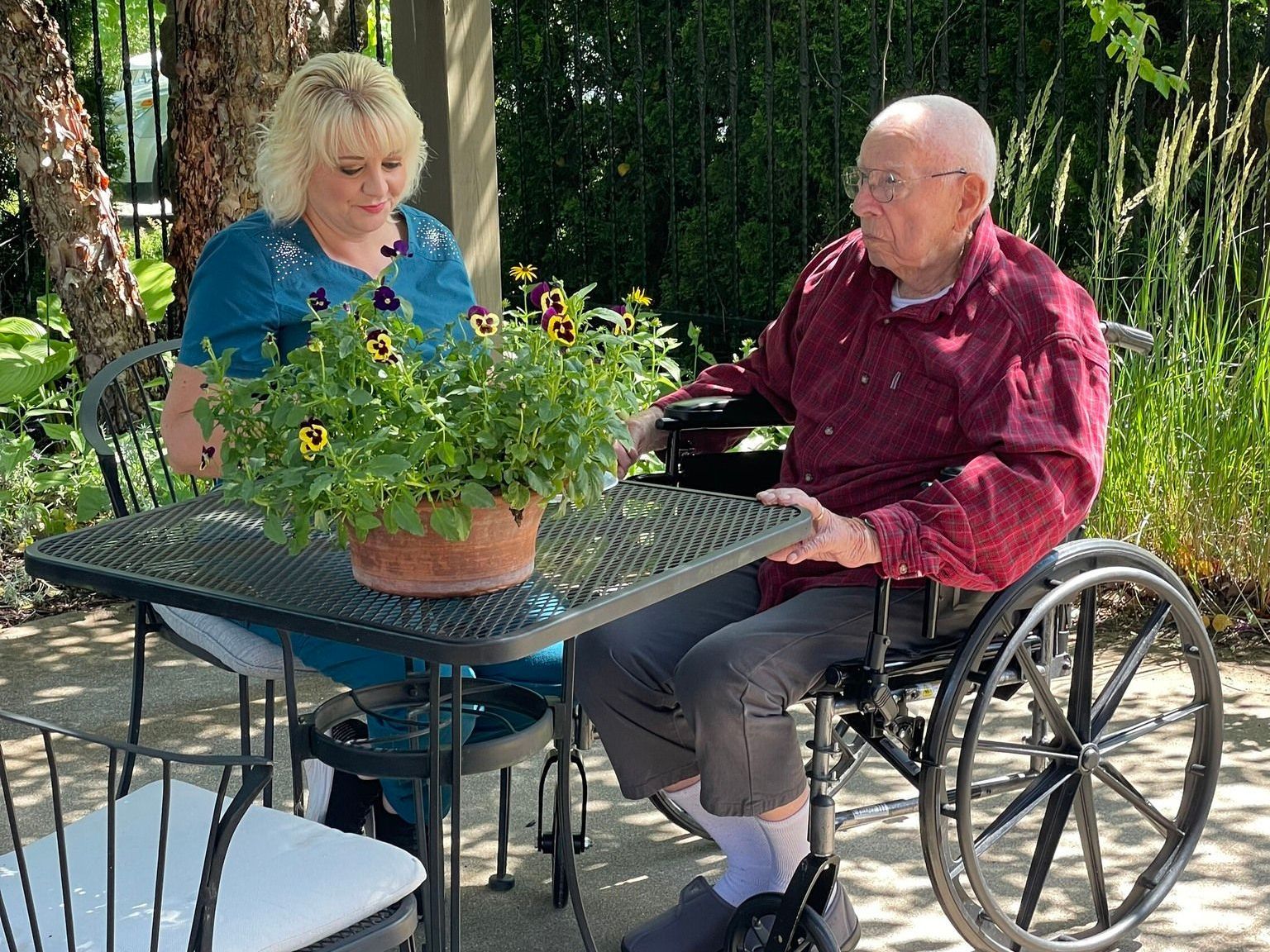
- consistent caregivers who know residents personally,
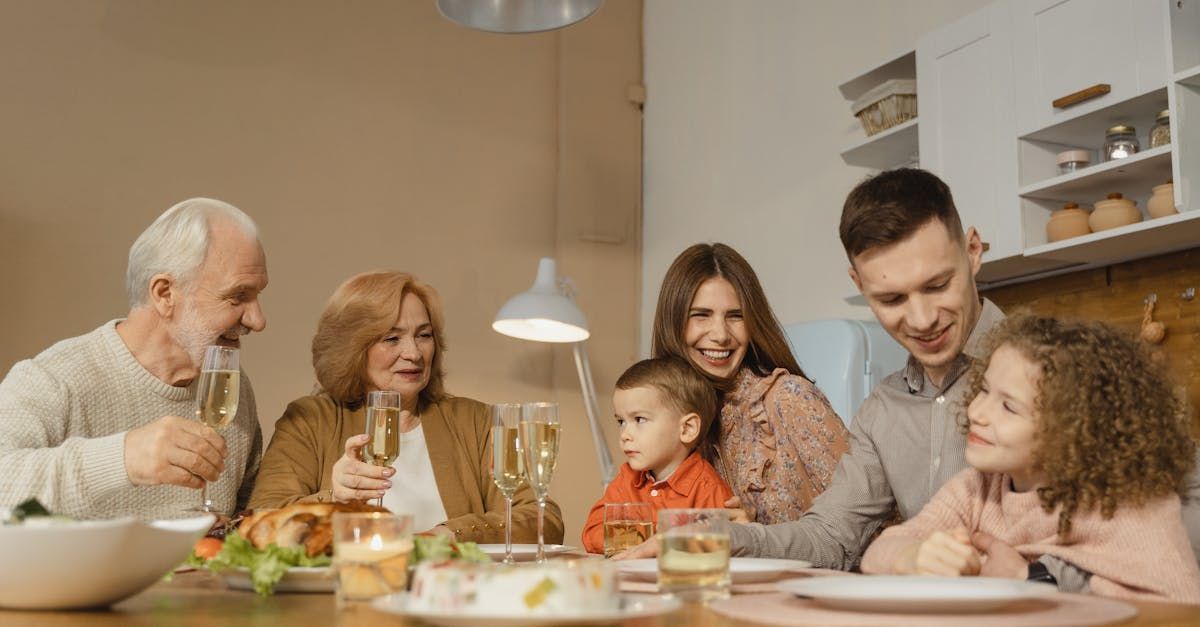
- a true home-like environment instead of an institutional setting.
For Alzheimer’s patients, familiarity and consistency are not luxuries—they are essential.
Unmatched Caregiver-to-Resident Ratio
One of the biggest differences at Tanglewood Assisted Living Fenton is our caregiver staffing model.
- We employ 14 caregivers for just 12 residents.
- At all times, we maintain at least two caregivers on site, plus:
- the manager,
- the assistant manager,
- and the owner, who is frequently present and involved.
This means our care ratio exceeds 1 caregiver for every 6 residents, which is far above industry standards. Many facilities operate at the bare minimum. We deliberately do not.
This level of staffing allows us to:
- respond immediately to residents’ needs,
- spend real time with each individual,
- provide emotional reassurance, not just task-based care,
- maintain dignity, patience, and respect at all times.
Highly Trained, Never-Rushed Caregivers
At Tanglewood Assisted Living Facility in Fenton, Michigan, caregivers are never thrown into the job unprepared.
Our staff:
- receives focused training in Alzheimer’s and dementia care,
- is supervised closely during onboarding,
- is never left alone until fully ready,
- continues ongoing education and hands-on learning.
We don’t hire “whoever is available.”
We hire
people who are right for this work.
That commitment to training is a major reason families trust us with their loved ones.
Customized Activities That Truly Matter
Memory care is not just about safety—it’s about quality of life.
At Tanglewood Assisted Living Facility Fenton, activities are:
- personalized to each resident,
- adapted to their cognitive and physical abilities,
- focused on engagement, joy, and purpose.
Our residents benefit from:
- gentle physical activities,
- outdoor time and supervised outings,
- sensory-based experiences,
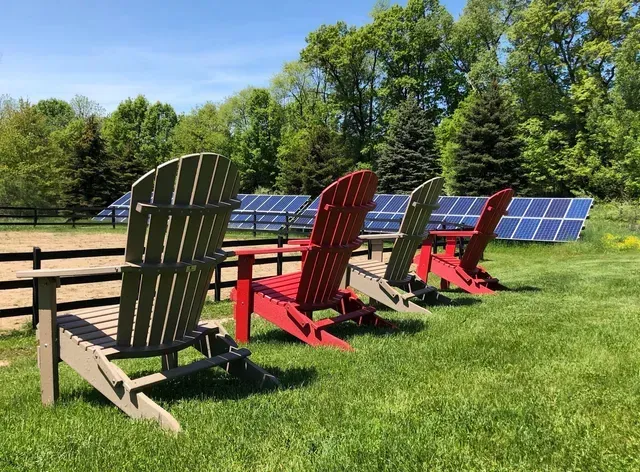
- interaction with animals on our on-site farm.
Having animals and a farm environment is a powerful therapeutic tool for Alzheimer’s patients. Petting animals, being outdoors, and connecting with nature helps reduce stress, stimulate memory, and improve overall well-being.
Very few assisted living facilities—especially large ones—can offer this.
A Different Philosophy of Care
At
Tanglewood Assisted Living Fenton Michigan, we don’t believe in volume care.
We believe in
intentional care.
Our boutique model allows us to:
- slow down,
- listen,
- adapt care daily,
- and treat every resident as a person, not a number.
For families looking for Alzheimer’s care near Fenton, Michigan, choosing a small, specialized assisted living facility can make an extraordinary difference—not just in care quality, but in peace of mind.
Looking for Boutique Alzheimer’s Care in Fenton, Michigan?
If you are exploring options for a loved one and value:
- personalized attention,
- highly trained caregivers,
- an unmatched caregiver ratio,
- and a calm, home-like environment,
Tanglewood Assisted Living Facility Fenton Michigan may be exactly what you’re looking for.
We invite families to visit, ask questions, and experience firsthand what boutique Alzheimer’s care truly means.