The Therapeutic Power of Wildlife and Gardens for Alzheimer’s Patients
Yann Cazavet • June 9, 2025

The Therapeutic Power of Wildlife and Gardens

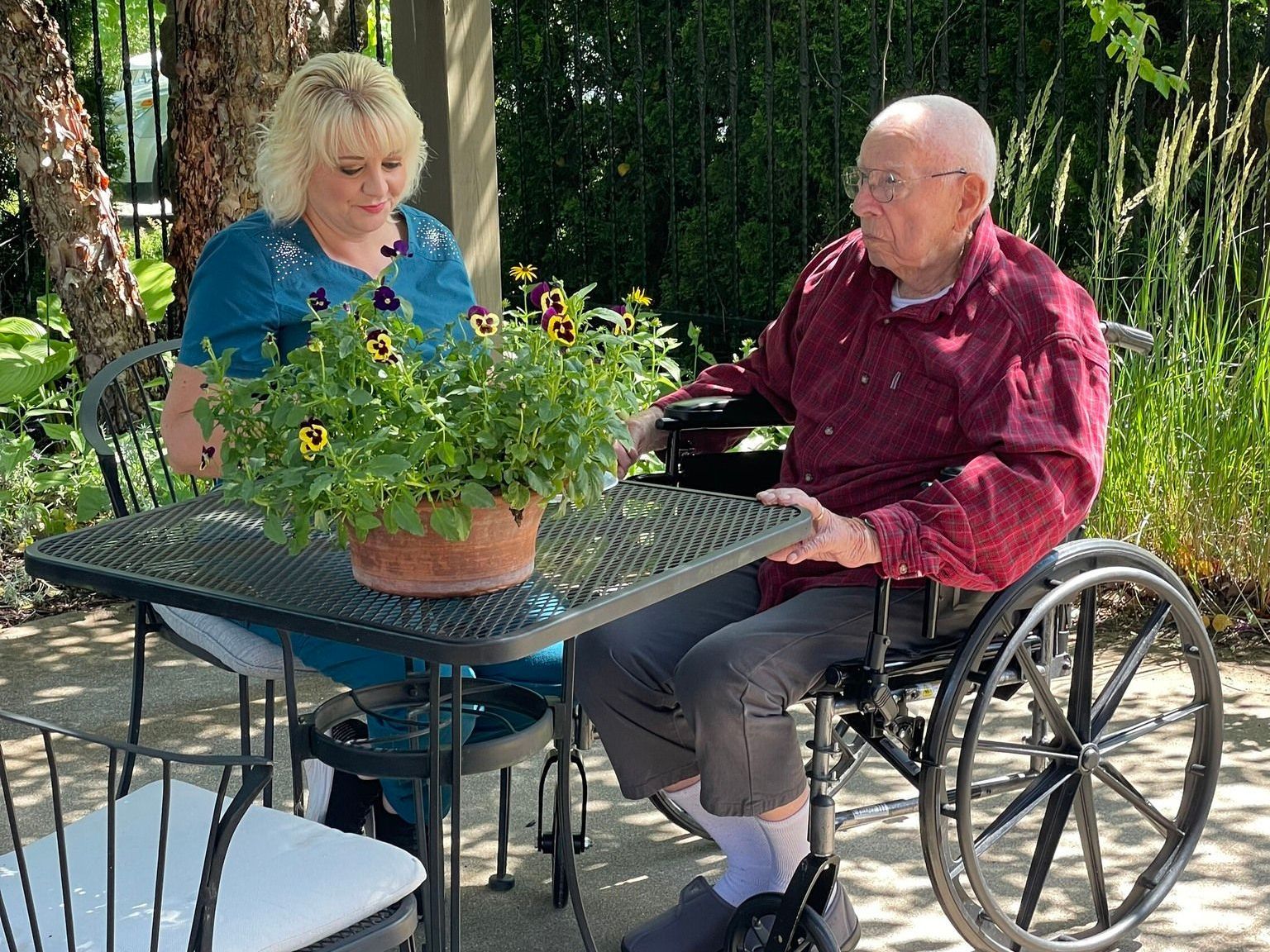
When it comes to delivering compassionate and effective dementia care, few approaches are as impactful as animal therapy. At Tanglewood Assisted Living Facility, located in beautiful Fenton, Michigan, we’ve seen firsthand how interacting with animals can improve the lives of our residents—especially those with Alzheimer’s and other forms of dementia.

As a trusted name in adult foster care, our goal is to create an environment where each resident feels comforted, connected, and cared for. One of the key ways we accomplish this is through animal-assisted therapy programs that are tailored to the emotional and cognitive needs of our residents.


What is Animal Therapy?

Animal therapy, also known as pet therapy, involves guided interaction between a person and a trained animal. This interaction is designed to improve the patient’s emotional, cognitive, and physical well-being. For Alzheimer’s patients, who often struggle with memory loss, confusion, and anxiety, animal therapy can offer a comforting sense of familiarity and connection.

At Tanglewood Assisted Living Facility, our animal therapy programs are carefully designed to enhance the quality of life for residents in our adult foster care community.


The Role of Animal Therapy in Dementia Care

Residents suffering from Alzheimer’s and dementia often face challenges such as memory loss, anxiety, depression, and social withdrawal. Animal therapy offers a gentle, non-invasive form of support that enhances traditional care models.

At Tanglewood Assisted Living Facility in Fenton, Michigan, our animal therapy sessions are part of a comprehensive dementia care plan that focuses on the whole person—not just their diagnosis.


Key Benefits of Animal Therapy:

  • Emotional Support: Animal companions offer unconditional love and comfort, easing feelings of loneliness and agitation often associated with dementia.
  • Memory Stimulation: Petting or interacting with animals can spark memories and encourage verbal expression, helping residents recall past experiences.
  • Social Engagement: Therapy animals act as social bridges, encouraging residents to interact with staff, family, and fellow residents.
  • Reduced Stress and Anxiety: Studies show that contact with animals can reduce cortisol levels, lower blood pressure, and boost mood.


Tanglewood: A Leader in Dementia and Alzheimer’s Care in Fenton, Michigan

Our assisted living facility is more than a place to live—it's a place to thrive. At Tanglewood Assisted Living Facility, we combine professional dementia care with personalized support in a warm, family-style adult foster care setting.

What makes Tanglewood unique?

  • Specialized memory care programs
  • Certified animal therapy partnerships
  • Experienced staff trained in Alzheimer’s and dementia care
  • Safe, peaceful environment in the heart of Fenton, Michigan
  • Family involvement encouraged every step of the way


Final Thoughts

Animal therapy is more than a trend—it’s a powerful, proven method of enhancing life for those with dementia. At Tanglewood Assisted Living Facility, we’re proud to bring this innovative form of care to our residents and their families. If you’re exploring options for adult foster care or dementia care in Fenton, Michigan, let us show you the difference compassion and creativity can make.

Tanglewood Assisted Living Facility—Where care feels like home.



By Yann Cazavet March 1, 2026
Personalized memory care, unmatched caregiver ratios, and a level of attention big facilities simply can’t offer
Woman with hand on elderly person's shoulder, smiling outdoors, soft sunlight.
By Yann Cazavet January 30, 2026
Assisted Living VS Nursing Homes
By Yann Cazavet December 21, 2025
It is Time
By Yann Cazavet November 25, 2025
Why Families in Fenton, Michigan Choose Tanglewood Assisted Living Facility for Their Loved Ones
By Yann Cazavet October 26, 2025
The Critical Importance of Boutique Assisted Living
By Yann Cazavet September 12, 2025
Your Complete FAQ Guide to Assisted Living in Fenton, Michigan
By Yann Cazavet July 19, 2025
New Title
By Yann Cazavet July 19, 2025
Why Tanglewood is the right choice
By Yann Cazavet April 18, 2025
What Makes a Great Memory Care Facility?
An older woman holding a cellphone with a younger woman leaning over her shoulder.
February 6, 2025
At Tanglewood Assisted Living, we practice the five foot rule with memory loss patients. If you wish to be understood by a memory loss patient, you should be within five feet of that person when you speak to them. Most memory loss patients simply cannot process words that are shouted at them from across the room. In order to communicate effectively you should get close, make eye contact and begin by using the person’s first name. If the patient is sitting down, you should not stand over them and talk down to them. When you stand up, you assume a dominate posture which makes people feel uncomfortable. Instead, kneel down so you are at the same eye level as the patient and you will immediately put them at ease. Touch is important to memory loss patients. While you’re speaking, hold their hand or put your hand on their arm or shoulder. Be generous with hugs and handshakes. At Tanglewood, the staff is trained repeatedly to maintain a calm and pleasant tone of voice. Memory loss patients have not lost their ability to appreciate tone of voice and if you become upset you will only make a bad situation worse. Some patients will be depressed or mad at the world. With these you should commiserate. Offer compassion, sympathy and condolences. Other patients may be mad at you. They may accuse you of all sorts of atrocities. With these folks you should simply apologize and say you’ll try to do better. You should never get mad. Always remain calm and pleasant. If you do feel yourself becoming upset, walk away. Make sure the patient is safe and walk away. Come back in ten minutes and the patient’s attitude will have changed completely. Ask only simple questions of a memory loss patient - questions which require a yes or no answer. Don’t ask “would you like lemonade or ice tea?” Even such mildly complex questions generate confusion. Ask only yes or no questions. The best chance of having a coherent conversation with a middle or late stage memory loss patient is to talk about events that happened long ago. Such very old memories usually remain intact and the memory loss patient will feel comfortable talking about them. If possible, bring photographs from the patient’s younger days and talk about the people and places in the pictures. Finally, musical memories also remain intact. A patient will remember and enjoy the lyrics and melodies of music they’ve heard throughout their lives and especially music they heard as a child. They will usually enjoy and sing along with hymns and pop music songs they heard in their youth.