Resources

Why choose assisted living?


Being a caregiver for a loved one can be both rewarding and challenging, deeply affecting the dynamics of family life. The responsibility of managing daily care, medical needs, and emotional support often leads to significant stress and burnout, making it difficult for family members to balance their personal lives and well-being. This strain can impact relationships, finances, and overall quality of life for everyone involved. Assisted living offers a compassionate solution by providing professional care tailored to the unique needs of each individual, ensuring that they receive the attention and support they deserve. This allows families to focus on spending quality time with their loved ones, knowing they are in a safe, supportive environment where their physical and emotional needs are met. Assisted living not only enhances the quality of life for the elderly but also restores balance and peace of mind to their families.

About Us

Tips for Self Care as a Caregiver

Black hands cupping a black heart.

Self Care

Taking care of yourself is essential. Make time for regular breaks, exercise, and activities that bring you joy.

Three people with a heart above them.

Seek Support

Don’t hesitate to ask for help from other family members, friends, or professional caregivers. Support groups, whether in-person or online, can also offer emotional comfort and practical advice.

Presentation on heart health. A presenter points at a chart with a heart and a waveform. Two people watch.

Educate Yourself

Learn as much as you can about your loved one’s condition. Understanding their needs and the challenges they face can help you provide better care and anticipate future needs.

Two people, outlined in black, with speech bubbles between them.

Focus on Communication

Keep lines of communication open with your loved one, other family members, and healthcare providers.

Clock with an arrow circling around, indicating time is recurring.

Plan for the Future

Have honest conversations about future care needs and preferences. Explore options like assisted living early on, so that decisions can be made calmly and thoughtfully, rather than in a crisis.

Silhouette of a head with brain pixels, some dissolving.

Practice Patience

Caregiving can be frustrating, especially when dealing with memory loss or other cognitive issues. Patience and empathy go a long way in maintaining a positive relationship with your loved one.

Silhouette of a person meditating with light radiating around them.

Practice Mindfulness

Incorporate mindfulness techniques like meditation, deep breathing, or yoga into your routine. These practices can help manage stress, improve focus, and provide emotional balance.

Hands holding a glowing heart.

Be Kind to Yourself

Remember that it’s okay to make mistakes and that you’re doing your best. Treat yourself with the same compassion and understanding that you give to your loved one.
Articles for Caregivers

By Yann Cazavet January 30, 2026
Assisted Living VS Nursing Homes
By Yann Cazavet December 21, 2025
It is Time
By Yann Cazavet November 25, 2025
Why Families in Fenton, Michigan Choose Tanglewood Assisted Living Facility for Their Loved Ones
By Yann Cazavet October 26, 2025
The Critical Importance of Boutique Assisted Living
By Yann Cazavet September 12, 2025
Your Complete FAQ Guide to Assisted Living in Fenton, Michigan
By Yann Cazavet July 19, 2025
New Title
By Yann Cazavet July 19, 2025
Why Tanglewood is the right choice
By Yann Cazavet June 9, 2025
The Therapeutic Power of Wildlife and Gardens
By Yann Cazavet April 18, 2025
What Makes a Great Memory Care Facility?
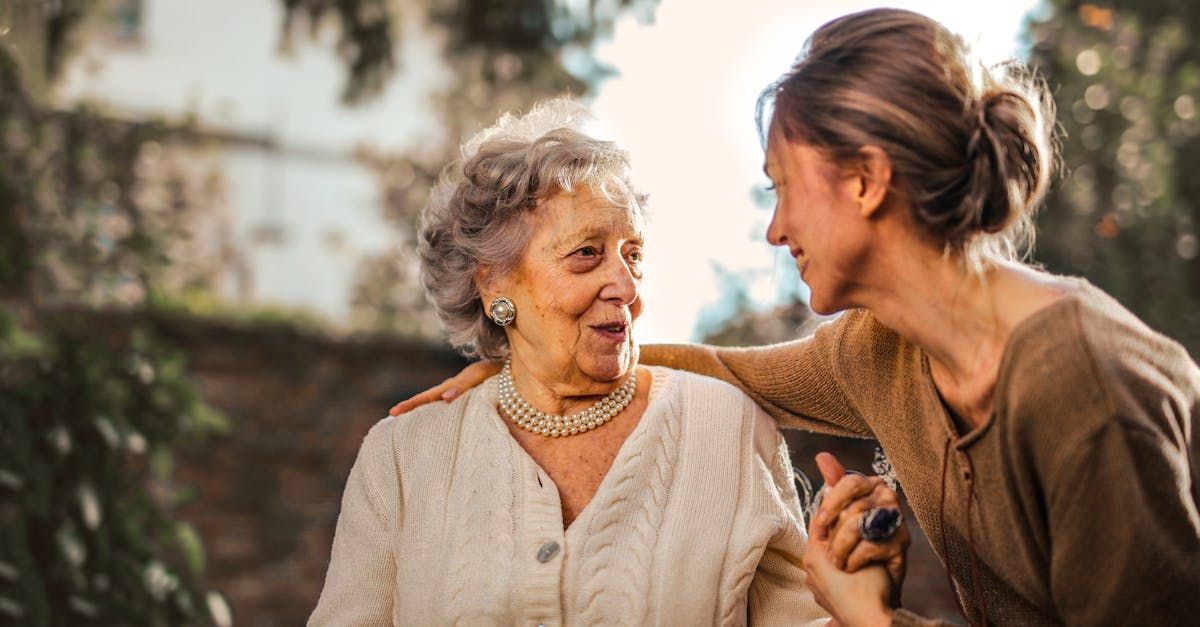
An older woman holding a cellphone with a younger woman leaning over her shoulder.
February 6, 2025
At Tanglewood Assisted Living, we practice the five foot rule with memory loss patients. If you wish to be understood by a memory loss patient, you should be within five feet of that person when you speak to them. Most memory loss patients simply cannot process words that are shouted at them from across the room. In order to communicate effectively you should get close, make eye contact and begin by using the person’s first name. If the patient is sitting down, you should not stand over them and talk down to them. When you stand up, you assume a dominate posture which makes people feel uncomfortable. Instead, kneel down so you are at the same eye level as the patient and you will immediately put them at ease. Touch is important to memory loss patients. While you’re speaking, hold their hand or put your hand on their arm or shoulder. Be generous with hugs and handshakes. At Tanglewood, the staff is trained repeatedly to maintain a calm and pleasant tone of voice. Memory loss patients have not lost their ability to appreciate tone of voice and if you become upset you will only make a bad situation worse. Some patients will be depressed or mad at the world. With these you should commiserate. Offer compassion, sympathy and condolences. Other patients may be mad at you. They may accuse you of all sorts of atrocities. With these folks you should simply apologize and say you’ll try to do better. You should never get mad. Always remain calm and pleasant. If you do feel yourself becoming upset, walk away. Make sure the patient is safe and walk away. Come back in ten minutes and the patient’s attitude will have changed completely. Ask only simple questions of a memory loss patient - questions which require a yes or no answer. Don’t ask “would you like lemonade or ice tea?” Even such mildly complex questions generate confusion. Ask only yes or no questions. The best chance of having a coherent conversation with a middle or late stage memory loss patient is to talk about events that happened long ago. Such very old memories usually remain intact and the memory loss patient will feel comfortable talking about them. If possible, bring photographs from the patient’s younger days and talk about the people and places in the pictures. Finally, musical memories also remain intact. A patient will remember and enjoy the lyrics and melodies of music they’ve heard throughout their lives and especially music they heard as a child. They will usually enjoy and sing along with hymns and pop music songs they heard in their youth.
Show More