Top Questions Families Ask About Assisted Living in Fenton
Your Complete FAQ Guide to Assisted Living in Fenton, Michigan
When a loved one begins to need more support with daily life, families often search for the best options in senior care. At Tanglewood Assisted Living Facility Fenton, we understand how important it is to have clear, honest answers during this transition. That’s why we’ve gathered the top questions families ask about assisted living in Fenton, Michigan — and our answers are designed to guide you every step of the way.
1. What is the difference between an assisted living facility and a nursing home?
Families often wonder if assisted living is the same as a nursing home. The short answer is no. An Assisted Living Facility in Fenton provides help with daily living — meals, medication reminders, and personal care — while still promoting independence and a home-like environment. Nursing homes, on the other hand, are designed for residents who require 24/7 skilled medical care.
At Tanglewood Assisted Living Facility Fenton, our focus is on Alzheimer’s and memory care in a warm, supportive community rather than a clinical institution.
2. How safe is assisted living for seniors with memory loss or Alzheimer’s?
Safety is the number one concern for families. At Tanglewood Assisted Living Facility Fenton, our community is specifically designed for residents with Alzheimer’s and dementia:
- Secure entry and exit points prevent wandering.
- 24-hour caregivers monitor residents day and night.
- Medication management ensures accuracy and consistency.
Families can feel confident knowing their loved ones are in a protected environment that still feels like home.
Another key difference is our staff-to-resident ratio. While many large facilities stretch their staff thin, at Tanglewood there are always at least three staff members on site for just 12 residents — often even four. That means at any given time, there are two caregivers present, plus our manager, and sometimes myself or our assistant manager. This level of attention is well above the industry average and ensures residents receive faster, more compassionate, and more personalized care.
3. What kind of medical care is available in an assisted living facility in Fenton?
While assisted living is not a hospital, residents at Tanglewood Assisted Living Facility Fenton receive:
- Medication reminders and administration.
- Coordination with local physicians and specialists.
- On-call nursing support for emergencies.
- Transportation to medical appointments in the Fenton area.
This balance of personalized care and medical support ensures residents remain safe, comfortable, and healthy.
4. Can families visit their loved ones freely?
Absolutely. Family involvement is a cornerstone of care at Tanglewood Assisted Living Facility Fenton. We encourage visits as often as possible, and many families join residents for meals, activities, or outings. Our open-door policy helps residents stay connected to the people they love most.
5. What types of activities are available for residents?
Life at Tanglewood Assisted Living Facility Fenton is more than just care — it’s about living fully. Activities include:
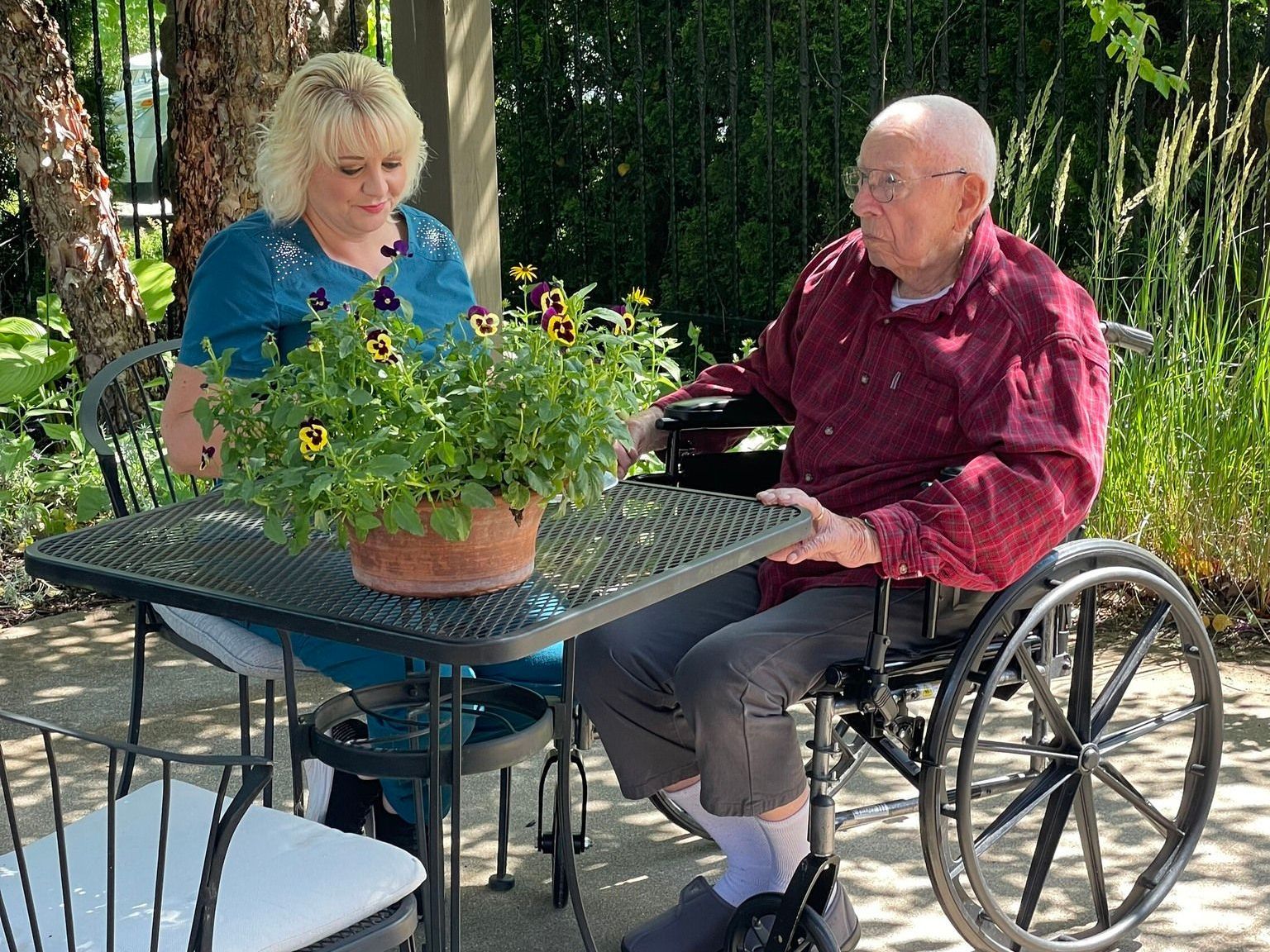
- Music, art, and gardening programs.
- Gentle exercise and movement sessions.
- Social events and family gatherings.
- Specialized Alzheimer’s activities to encourage memory and engagement.
These programs not only provide joy but also support mental and emotional well-being.
6. How much does Alzheimer’s and memory care cost in Fenton, Michigan?
Families searching for an Assisted Living Facility in Fenton often struggle to find clear pricing. Because Alzheimer’s and memory care require more staff, specialized training, and secure environments, the costs are higher than standard assisted living.
- Typical Range in Fenton: Memory care in Fenton generally ranges from about $4,500 to $7,500+ per month, depending on the level of care, room type, and services offered.
- Lower-end Options: Some smaller or minimal facilities in the area may advertise starting rates closer to $3,000/month, but these typically provide fewer services, less outdoor space, and lower staff-to-resident ratios.
- Why Boutique Care Matters: Big-box facilities may look impressive — like hotels with chandeliers and fancy lobbies — but often they’re located near busy roads, gas stations, or shopping centers, with little outdoor space. Staffing can also be stretched thin across 100+ residents.
Another thing families must watch out for is hidden fees. Many large facilities advertise a lower “base fee” — for example, $5,000/month — but then charge extra for nearly everything: in-room television, private phone line, medication handling, transportation, even basic personal services. Over time, these add-ons can drive costs far higher than expected.
At Tanglewood Assisted Living Facility Fenton, we are different. Our pricing is upfront, transparent, and all-inclusive. Families know from the beginning what the cost will be — no hidden fees, no surprises. What you see is what you get, and that peace of mind is priceless.
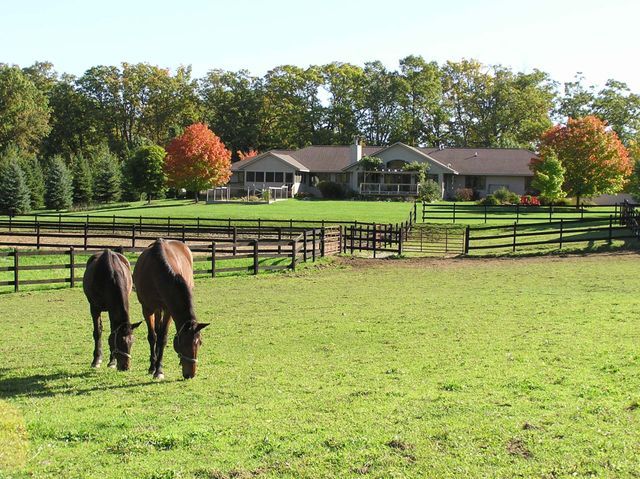
At Tanglewood Assisted Living Facility Fenton, we take a boutique approach: a smaller, more personalized setting with gardens, fresh air, consistent caregivers, and customized care plans. Unlike large institutional facilities that often add hidden fees and higher overhead costs, families at Tanglewood receive more attentive, higher-quality care at a more transparent and affordable overall cost.
For exact pricing, we invite families to schedule a tour or call us directly. That way, we can tailor a plan to your loved one’s unique needs.
7. When is the right time to consider assisted living in Fenton?
Families usually consider assisted living when a loved one:
- Begins forgetting to take medications.
- Experiences falls or safety risks at home.
- Becomes isolated or lonely.
- Needs help with personal care tasks such as bathing or dressing.
At Tanglewood Assisted Living Facility Fenton, we encourage families to talk to us early, so we can help prepare for a smooth transition.
8. Why choose Tanglewood Assisted Living Facility Fenton?
Choosing an assisted living facility is a deeply personal decision. Families in Fenton trust Tanglewood because:
- We specialize exclusively in Alzheimer’s and memory care.
- Our home-like setting feels warm, calm, and personal.
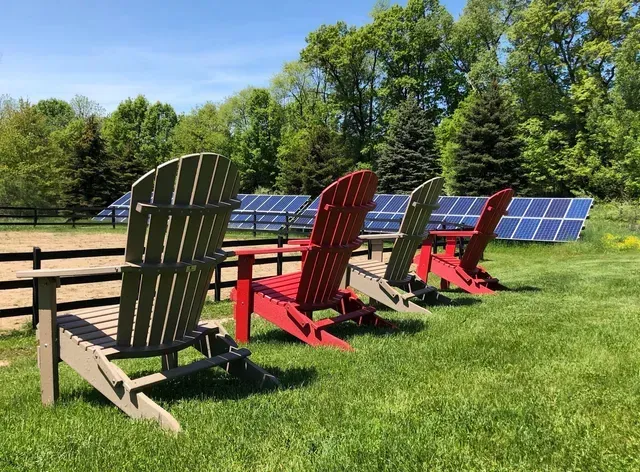
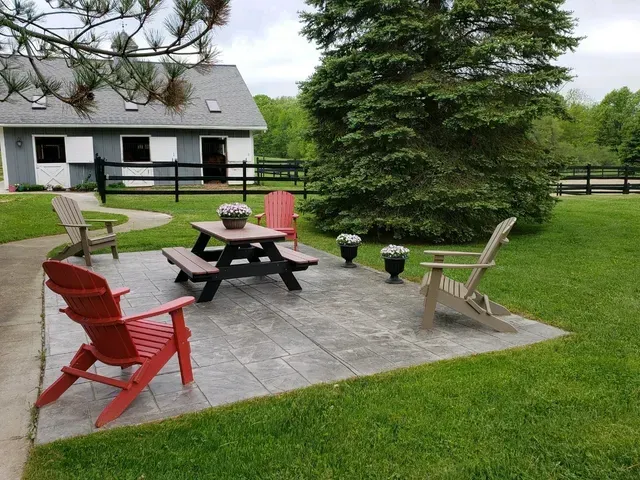
- We offer more green space, gardens, and outdoor living than large institutional facilities.
- Our caregivers are dedicated to treating every resident with dignity and compassion.
Final Thoughts
If you’re searching for an Assisted Living Facility in Fenton, asking the right questions is the first step toward peace of mind. At Tanglewood Assisted Living Facility Fenton, we welcome families to visit, tour our community, and see firsthand how we provide compassionate, boutique Alzheimer’s care in a safe and supportive environment.
For more information or to schedule a visit, contact us today — we’re here to help.