The Difference Between Assisted Living and Nursing Homes in Fenton, Michigan
Assisted Living VS Nursing Homes

Families often find themselves confused when trying to understand the difference between assisted living facilities and nursing homes. The terms are frequently used interchangeably, but in reality, they represent very different types of care, environments, and lifestyles.
At Tanglewood Assisted Living Facility, we speak with families every week who initially believe they are looking for a nursing home—when in fact, assisted living is the more appropriate, comfortable, and dignified option for their loved one.
Understanding these differences can help families make the right decision, emotionally and medically, while avoiding unnecessary stress.
What Is Assisted Living?
Assisted living is designed for seniors who need help with daily activities, but who do not require constant medical supervision.
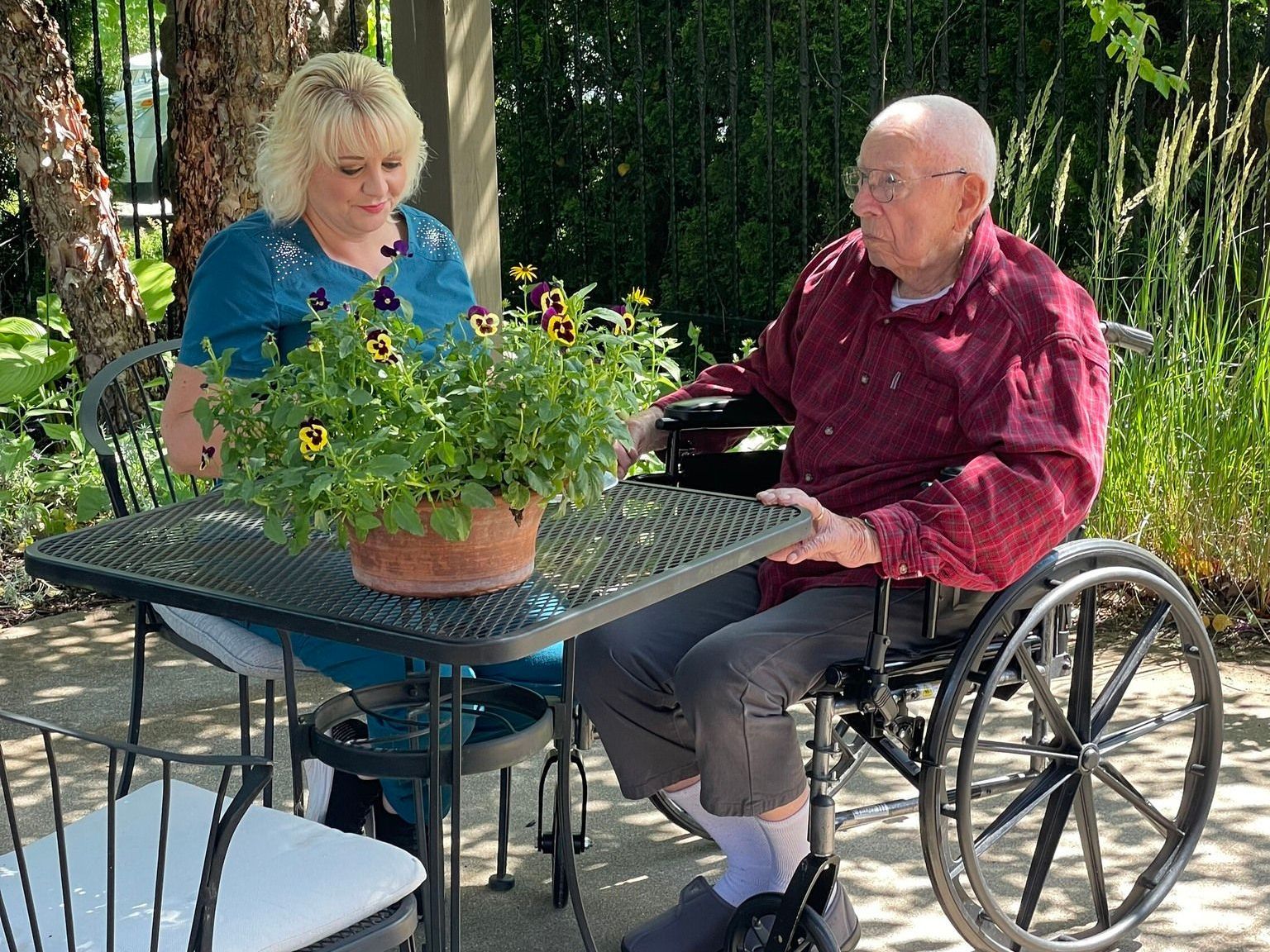
At Tanglewood Assisted Living Facility, residents receive assistance with:
- Bathing and personal hygiene
- Dressing and grooming
- Medication reminders and administration
- Mobility and supervision
- Meals, housekeeping, and laundry
Unlike a nursing home, assisted living focuses on support, comfort, and quality of life, rather than medical intervention.
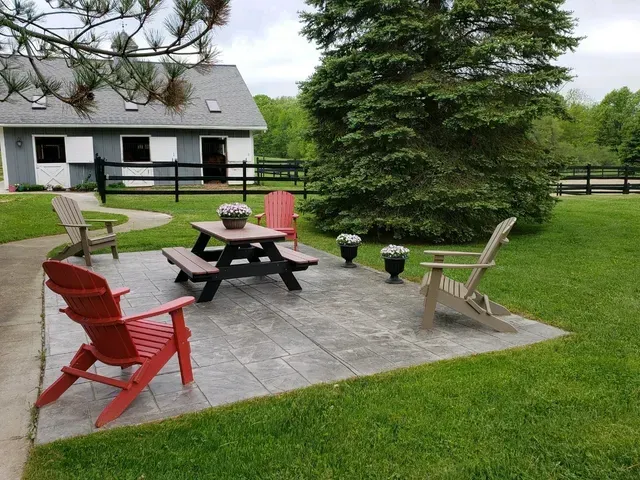
Tanglewood Assisted Living Facility is intentionally small and home-like, allowing residents to live in a calm, familiar environment while receiving personalized care.
What Is a Nursing Home?
Nursing homes are medical institutions intended for individuals who need:
- 24/7 skilled nursing care
- Frequent medical interventions
- Post-hospital rehabilitation
- Complex medical monitoring
Residents in nursing homes often have severe physical or medical conditions that require licensed nurses on-site at all times. The environment is typically more clinical, with hospital-style rooms, shared spaces, and a strong focus on medical treatment.
For families, nursing homes are often necessary after major surgeries, serious injuries, or advanced medical decline—but they are not always the right long-term solution.
Assisted Living vs Nursing Homes: The Key Differences
1. Environment
At Tanglewood Assisted Living Facility, residents live in a real home—not a medical institution. The atmosphere is quiet, warm, and personal.
Nursing homes, by contrast, feel clinical and hospital-like, which can be unsettling for many seniors, especially those with memory loss.
2. Level of Care
Assisted living supports daily living needs while promoting independence.
Nursing homes provide medical care and skilled nursing services around the clock.
Many families are surprised to learn that their loved one does not actually need a nursing home—and that assisted living is both safer and more appropriate.
3. Quality of Life
At Tanglewood Assisted Living Facility, quality of life is central:
- Familiar routines
- Personal attention
- Consistent caregivers
- A calm, structured daily rhythm
In nursing homes, care is often more standardized due to the higher number of residents and medical priorities.
4. Social Interaction
Residents at Tanglewood Assisted Living Facility benefit from:
- Small group living
- Meaningful relationships with caregivers
- A sense of belonging and dignity
Nursing homes often house dozens or hundreds of residents, making it harder to build personal connections.
Why Families in Fenton, Michigan Choose Assisted Living Over Nursing Homes
Many families initially search for nursing homes simply because they don’t realize that assisted living exists as an alternative.
At Tanglewood Assisted Living Facility, we regularly welcome families who say:
“We thought we needed a nursing home, but this feels so much better.”
Assisted living allows seniors to maintain autonomy while still being protected, supervised, and cared for—without sacrificing comfort or humanity.
Memory Care and Assisted Living at Tanglewood
For residents living with Alzheimer’s or other forms of dementia, the difference is even more important.
Tanglewood Assisted Living Facility specializes in Alzheimer’s and memory care, providing:
- A secure and structured environment
- Experienced caregivers trained in dementia care
- Consistent routines that reduce anxiety
- A calm, non-institutional setting
For many memory care residents, a nursing home environment can actually increase confusion and distress. Assisted living memory care offers safety without overwhelming stimulation.
When Is a Nursing Home Truly Necessary?
A nursing home may be appropriate if a person:
- Requires ongoing medical treatments
- Needs skilled nursing procedures
- Has complex medical equipment needs
- Cannot be safely managed in a residential setting
If those conditions are not present, assisted living—especially a small, high-quality home like Tanglewood Assisted Living Facility—is often the better choice.
Choosing the Right Assisted Living Facility in Fenton, Michigan
Not all assisted living facilities are the same.
Tanglewood Assisted Living Facility stands out because of:
- Its boutique, residential size
- High caregiver-to-resident ratio
- Focus on dignity, respect, and safety
- Strong reputation in Fenton, Michigan
- Personalized care plans for every resident
Families are encouraged to tour the home, meet the caregivers, and see the difference for themselves.
Final Thoughts
Understanding the difference between assisted living and nursing homes can completely change the care journey for a family.
For many seniors in Fenton, Michigan, assisted living offers the right balance of support, independence, and comfort—without the institutional feel of a nursing home.
If you’re exploring options for a loved one, Tanglewood Assisted Living Facility is here to answer your questions, explain your options, and help you make the best possible decision.