Feeling Guilty About Moving a Parent Into Assisted Living? You're Not Alone.
How to recognize caregiver burnout, overcome guilt, and choose compassionate Alzheimer's care.

Every family reaches this moment differently. Some struggle for months. Others for years.
For many adult children, one thought keeps coming back over and over again:
"Am I abandoning my mom?"
"My dad took care of me my entire life. How can I do this to him?"
If you're asking yourself these questions, we want you to know something important: You are not alone.
At Tanglewood Assisted Living Facility in Fenton, Michigan, we speak with families every week who carry this same weight on their shoulders. In fact, guilt is one of the most common emotions we see when families begin considering assisted living or memory care for someone they love.
The truth is that choosing an assisted living facility is not an act of abandonment.
More often than not, it is an act of love.
Why Do Families Feel So Guilty?
Most of us grow up believing that we should always take care of our parents, just as they took care of us.
That belief comes from love, gratitude, and respect. But today's world is very different than it was a generation ago.
Most households depend on two working adults. Families are raising children, building careers, paying mortgages, and trying to balance countless responsibilities at the same time.
Adding full-time caregiving for a parent with Alzheimer's disease or another form of dementia can become overwhelming.
Not because you don't love them.
Because the job itself has become too large for one family to carry alone.
Caring for Someone with Alzheimer's Is More Than a Full-Time Job
Alzheimer's disease changes over time.
What begins as occasional forgetfulness may eventually require supervision twenty-four hours a day.
Families often find themselves managing:
- Medication schedules
- Meal preparation
- Personal hygiene
- Fall prevention
- Wandering risks
- Behavioral changes
- Sundowning
- Medical appointments
- Sleep disturbances
- Emergency situations
At the same time, they are still expected to work, care for their own children, maintain relationships, and somehow find time to rest. No one can do this forever. And no one should feel ashamed when they realize they need help.
Caregiver Burnout Is Real
One of the biggest mistakes families make is waiting until they are completely exhausted before asking for help.
Caregiver burnout is a very real condition.
It often leads to:
- Chronic stress
- Anxiety
- Depression
- Physical exhaustion
- Health problems
- Financial strain
- Tension between spouses
- Family conflicts
We've seen loving families slowly lose themselves because they believed asking for help meant they had failed.
The opposite is true. Recognizing your limits is one of the most responsible decisions you can make.
You're Not Giving Up.
You're Changing Your Role.
This is perhaps the most important message we can share.
When your loved one moves into an assisted living community, you are not stopping being their son.
You are not stopping being their daughter.
You are not stopping being their spouse.
You're simply no longer trying to be their nurse, caregiver, medication manager, therapist, cook, housekeeper, and overnight safety monitor—all at the same time. Instead, you get to become family again.
You visit because you want to.
You share meals.
You look through old photo albums.
You celebrate birthdays.
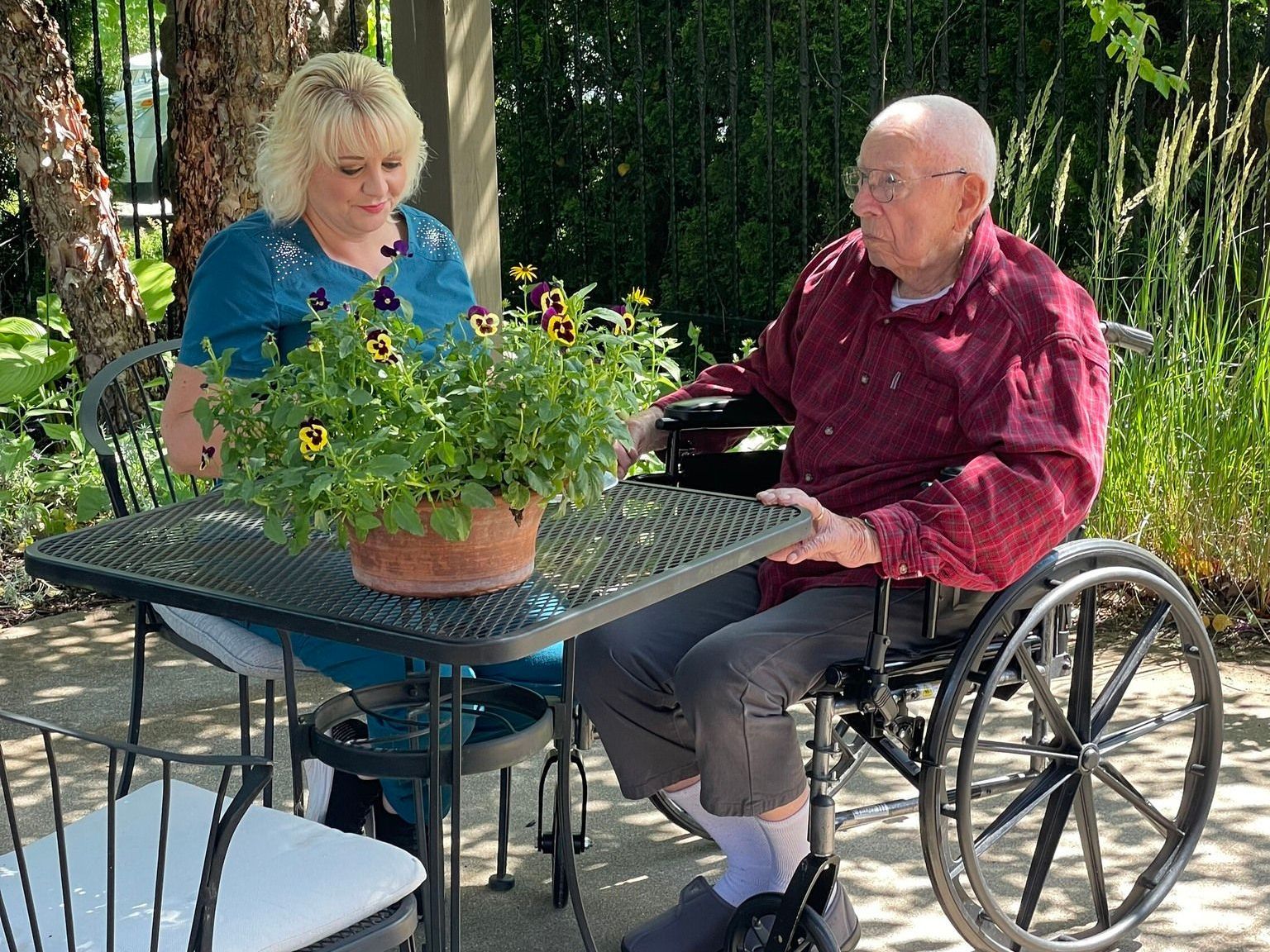
You sit together in the garden.
You enjoy conversations without constantly worrying about medications, falls, or what might happen overnight.
That change can be life-changing for everyone involved.
Choosing the Right Assisted Living Facility Matters
Not every assisted living community is the same.
Large institutional settings work well for some people.
Others do much better in a smaller, quieter, more personal environment.
At Tanglewood Assisted Living Facility in Fenton, Michigan, we've intentionally created something that feels very different from a traditional institution.
Our home offers:
- A beautiful residential setting instead of a hospital-like environment
- Specialized Alzheimer's and dementia care
- Only 12 private residents, allowing every individual to be truly known
- Approximately one caregiver for every four residents, an exceptional staffing level that exceeds many industry standards
- Care available around the clock
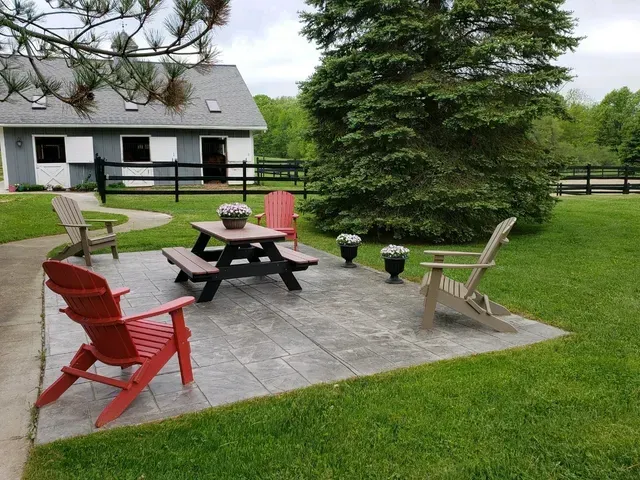
- A peaceful ten-acre property with open green space
- A calm atmosphere designed to reduce confusion and anxiety
- Personal relationships with every resident and every family
For many individuals living with Alzheimer's disease, a smaller home-like environment feels less overwhelming and more familiar than a large commercial facility. That sense of comfort can make an enormous difference during the transition.
One of the Hardest Decisions Can Become One of the Best Decisions
Many families tell us something surprising a few months after their loved one moves in.
They say: "I wish we had done this sooner."
Not because they stopped loving their parent. Because everyone finally had the support they needed. Their loved one became safer. They became healthier. Their marriage improved. Their children got their parent back.
And visits became moments of joy instead of constant stress.
Frequently Asked Questions
Is it normal to feel guilty about moving a parent into assisted living?
Absolutely. Nearly every family experiences guilt at some point. Feeling guilty does not mean you're making the wrong decision.
Am I abandoning my mom or dad?
No. Seeking professional care when your loved one needs more support than you can safely provide is an act of responsibility and compassion.
When is it time for assisted living?
Every family is different, but common signs include increasing memory loss, wandering, frequent falls, medication challenges, caregiver burnout, and difficulty managing daily activities safely at home.
Can caregiving affect marriages and families?
Yes. Long-term caregiving can place tremendous emotional, financial, and physical pressure on couples and families. Asking for help can protect not only your loved one, but your entire family.
Why do many families choose a small assisted living home?
Smaller assisted living homes often provide a quieter environment, more personalized care, greater consistency among caregivers, and stronger relationships between residents, staff, and families.
You Don't Have to Carry This Alone
If you're struggling with the decision to move a loved one into assisted living, know that you're facing one of the hardest choices any family can make. There is no perfect time. There is no perfect decision. But there is support.
At Tanglewood Assisted Living Facility in Fenton, Michigan, we understand the emotions that come with Alzheimer's disease, dementia, and family caregiving because we walk alongside families every day.
Our goal isn't simply to care for residents. Our goal is to care for families, too.
If you have questions about Alzheimer's care, dementia care, memory care, or assisted living in Fenton, Michigan, we invite you to contact Tanglewood Assisted Living Facility. Even if you're not ready to make a decision today, we're here to answer your questions, help you understand your options, and support your family every step of the way.
Because asking for help isn't giving up. Sometimes, it's the most loving decision you can make.